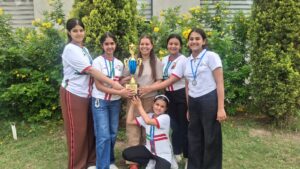
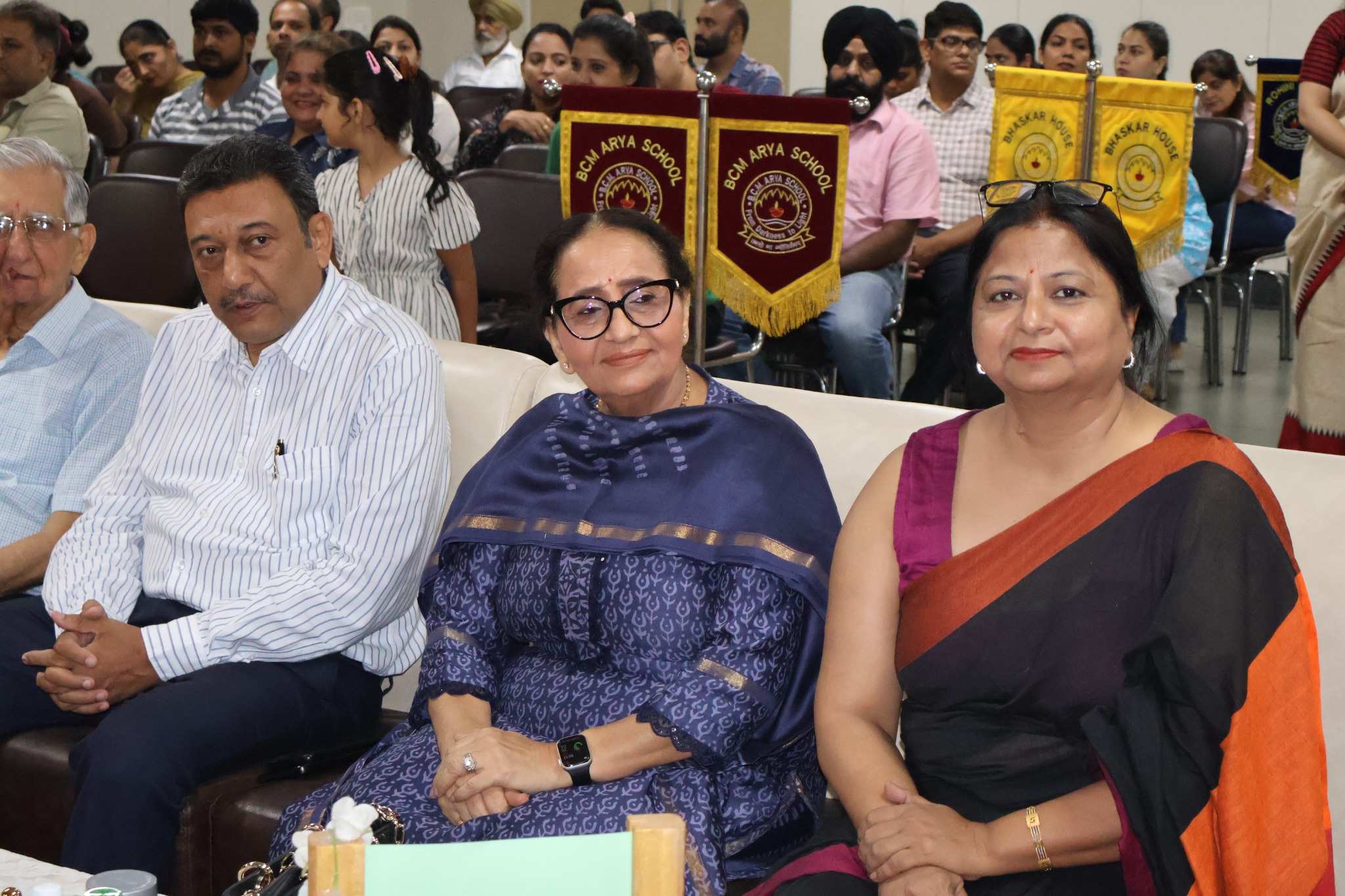
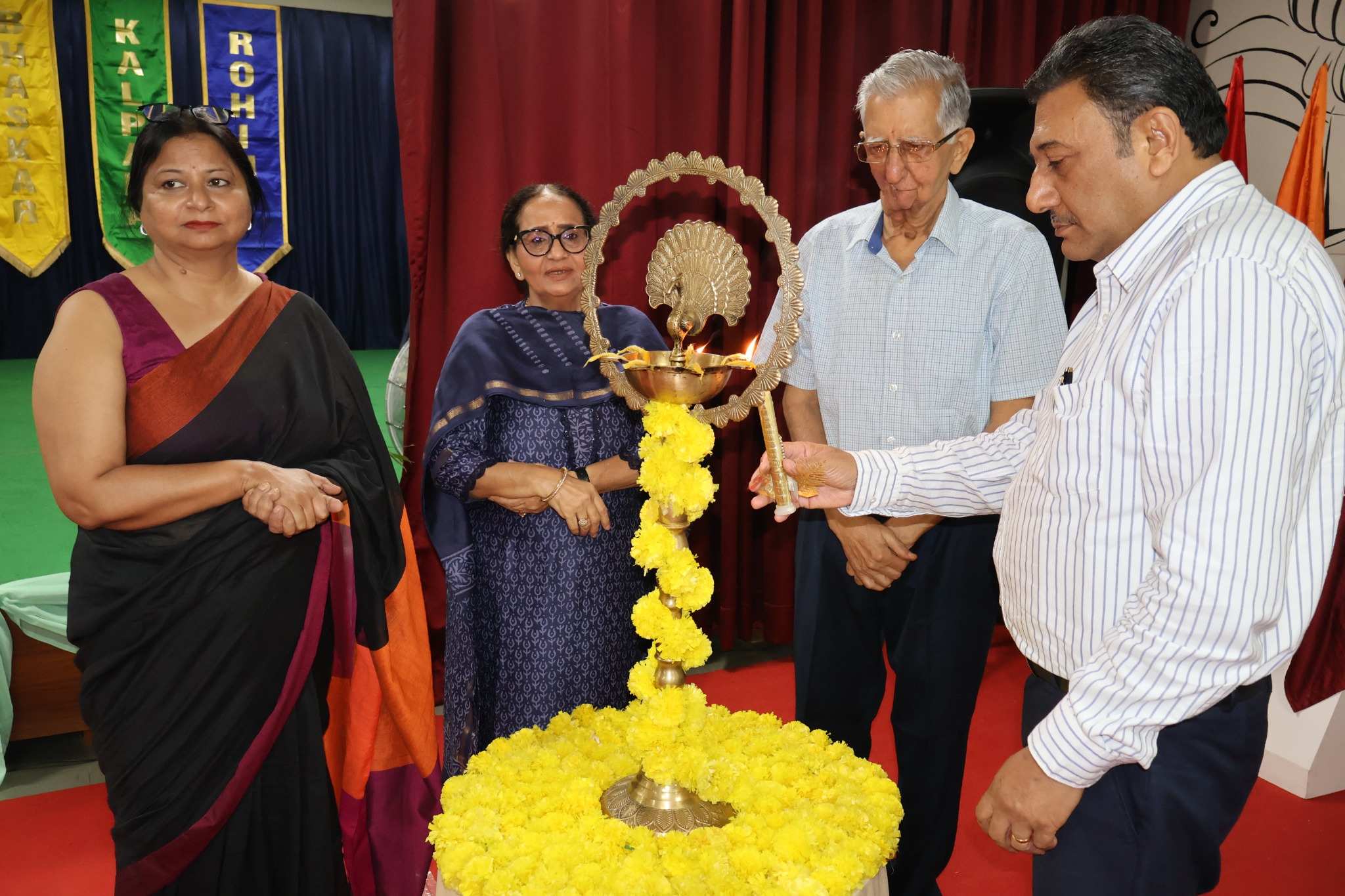
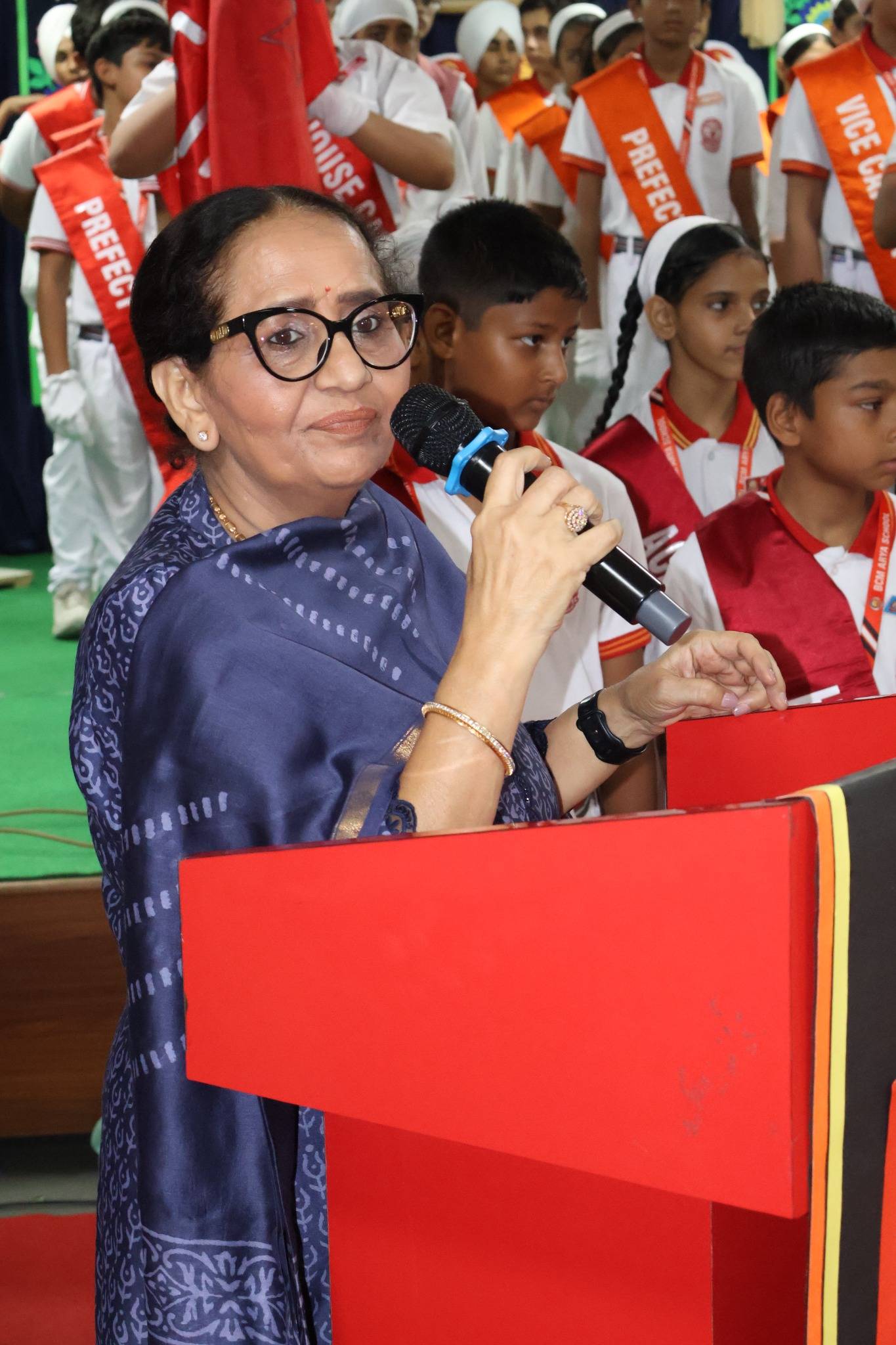
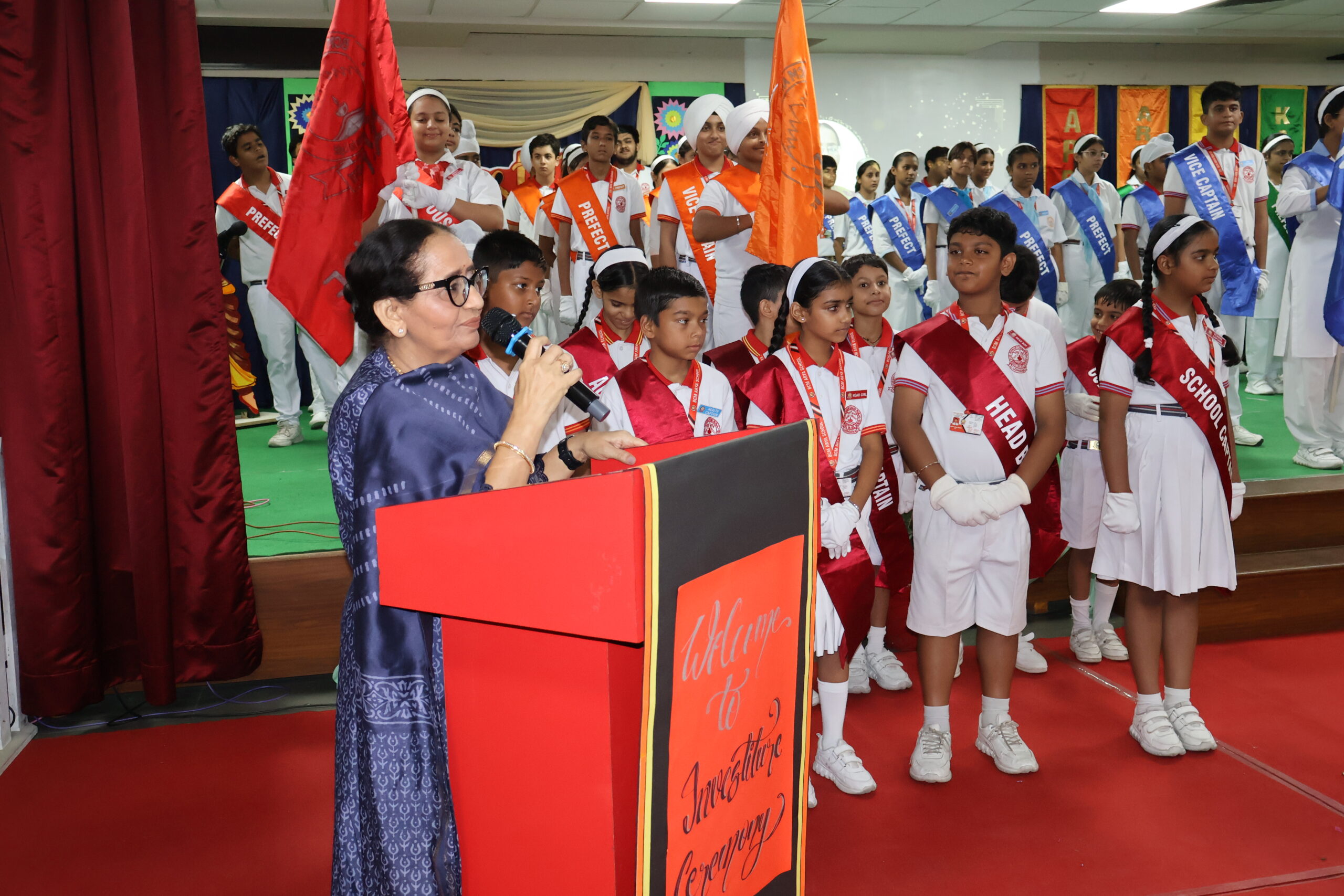
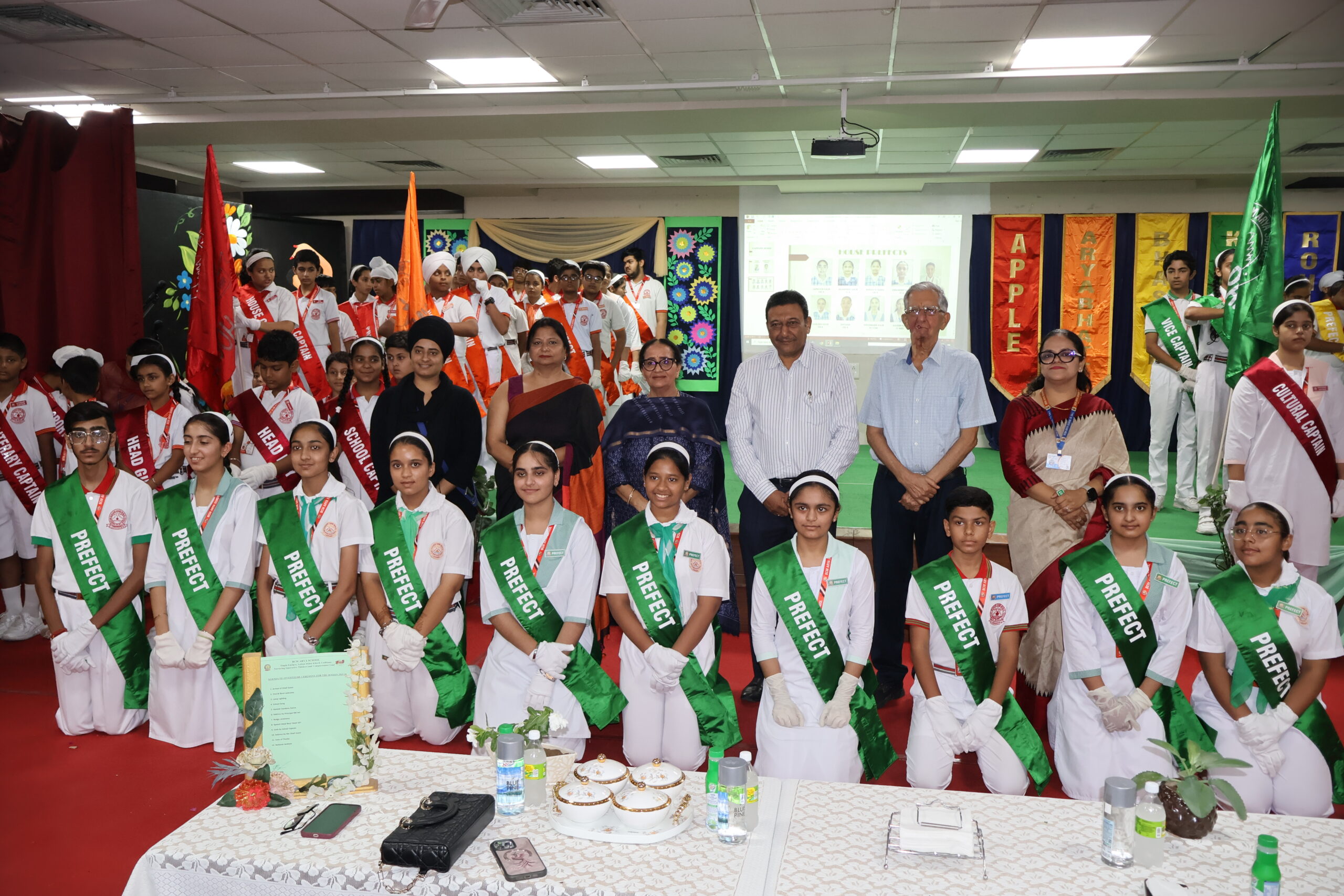
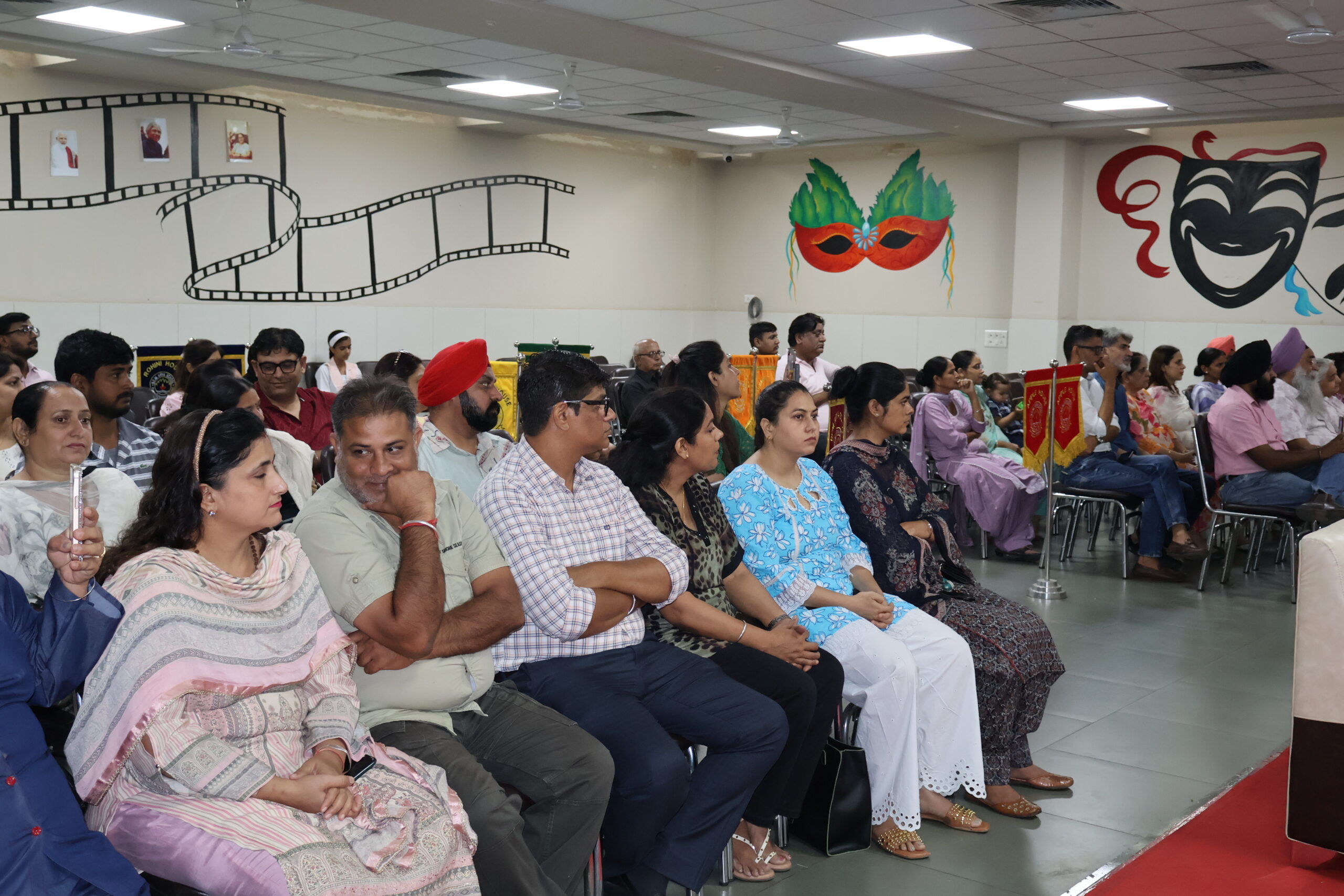
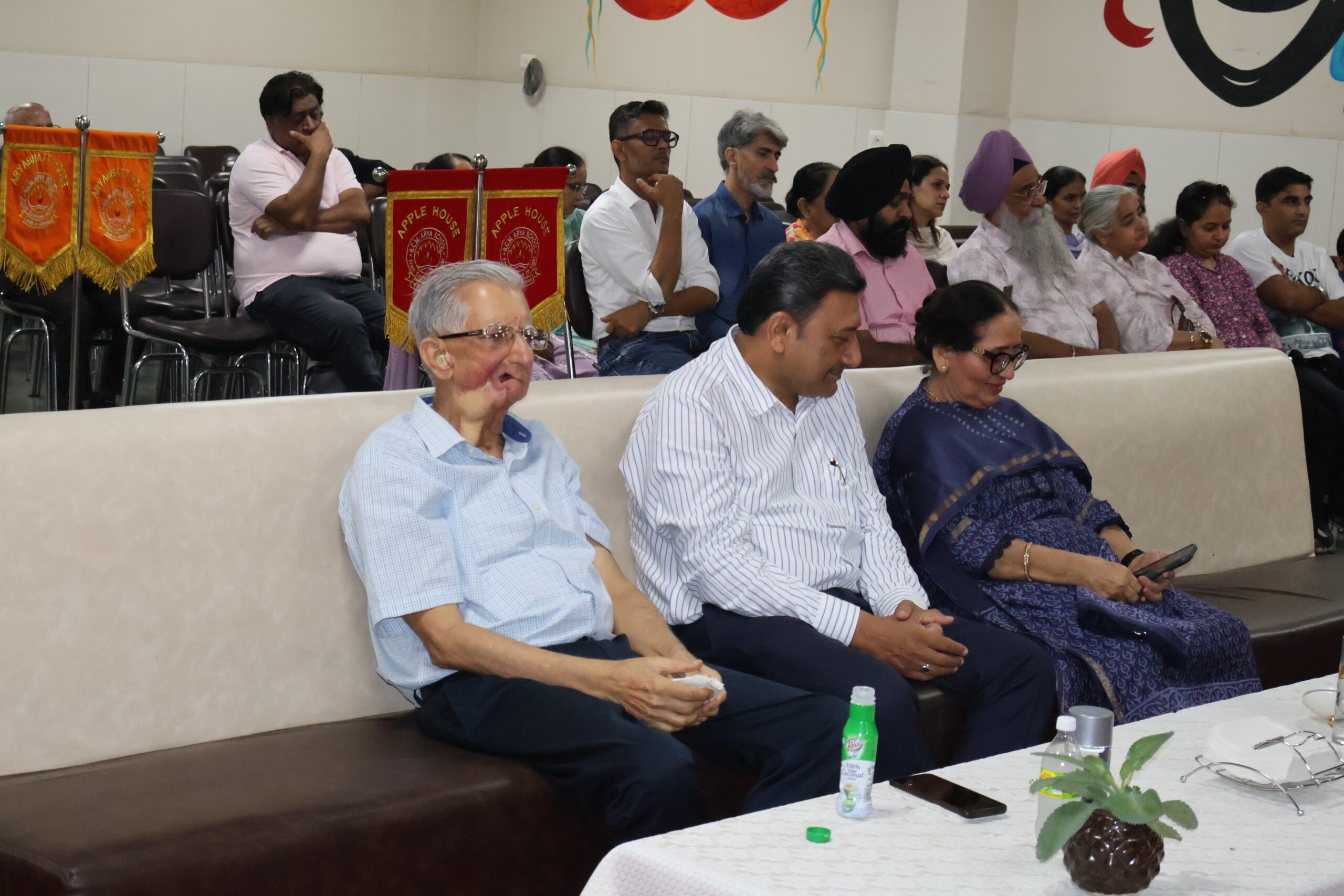
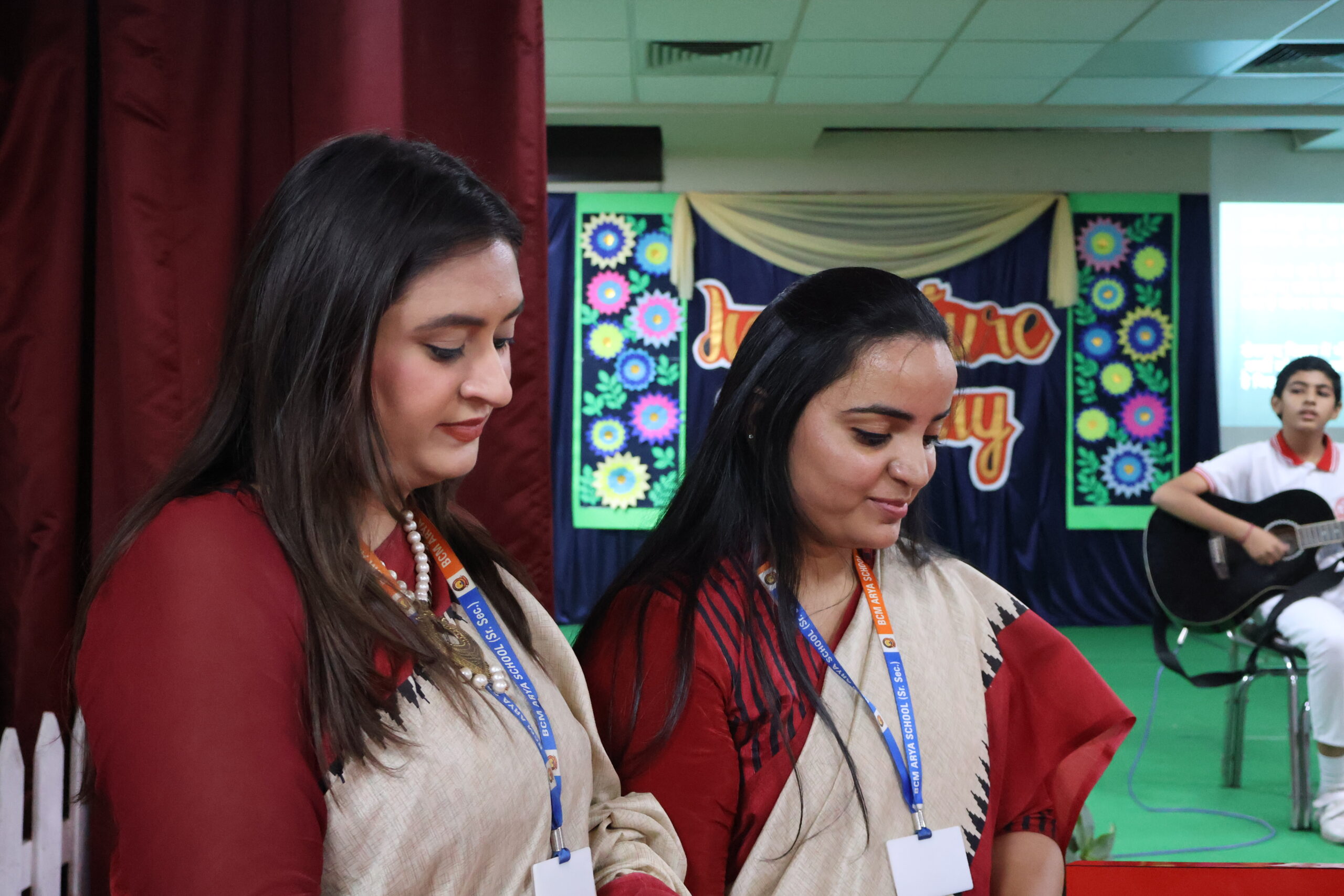
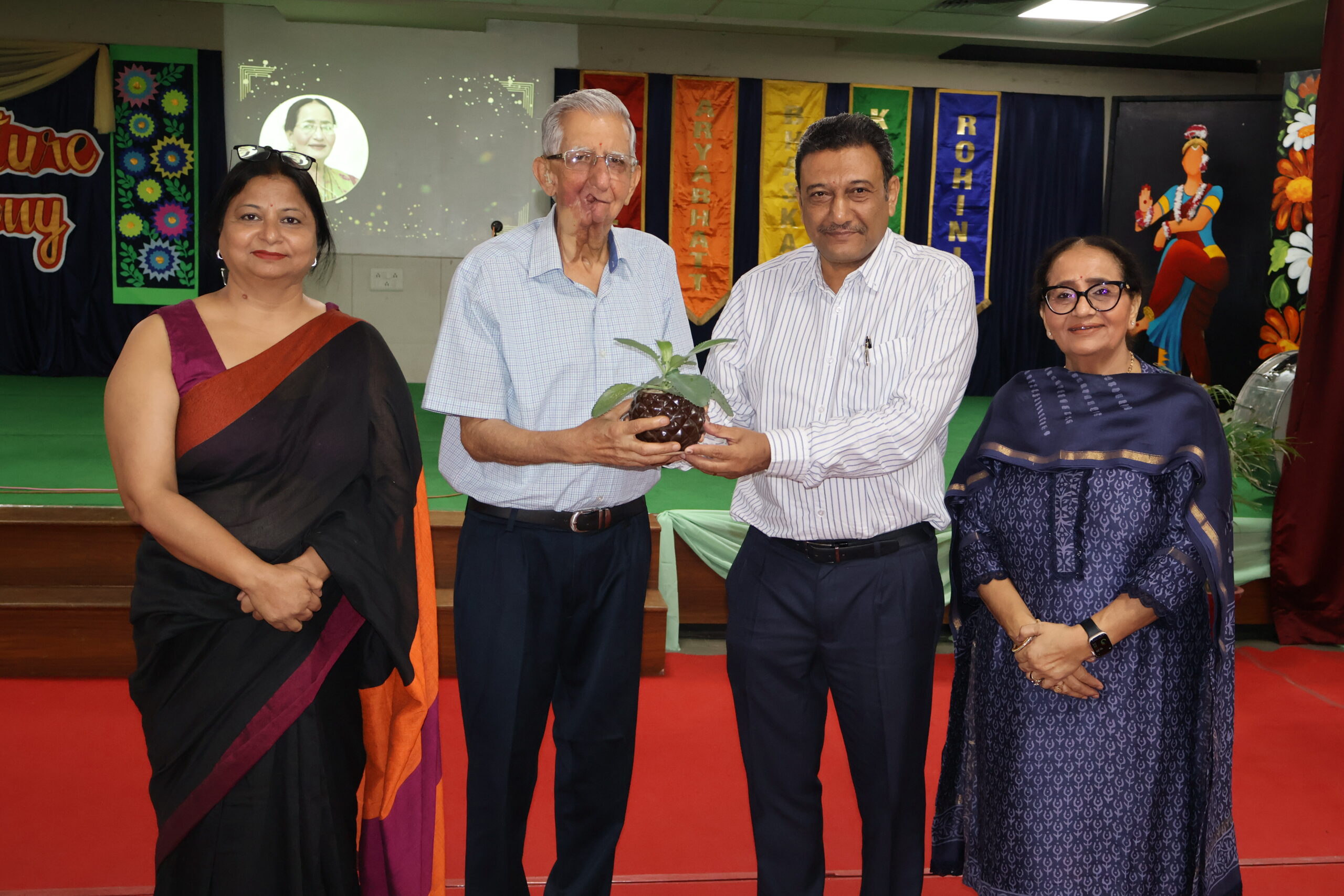
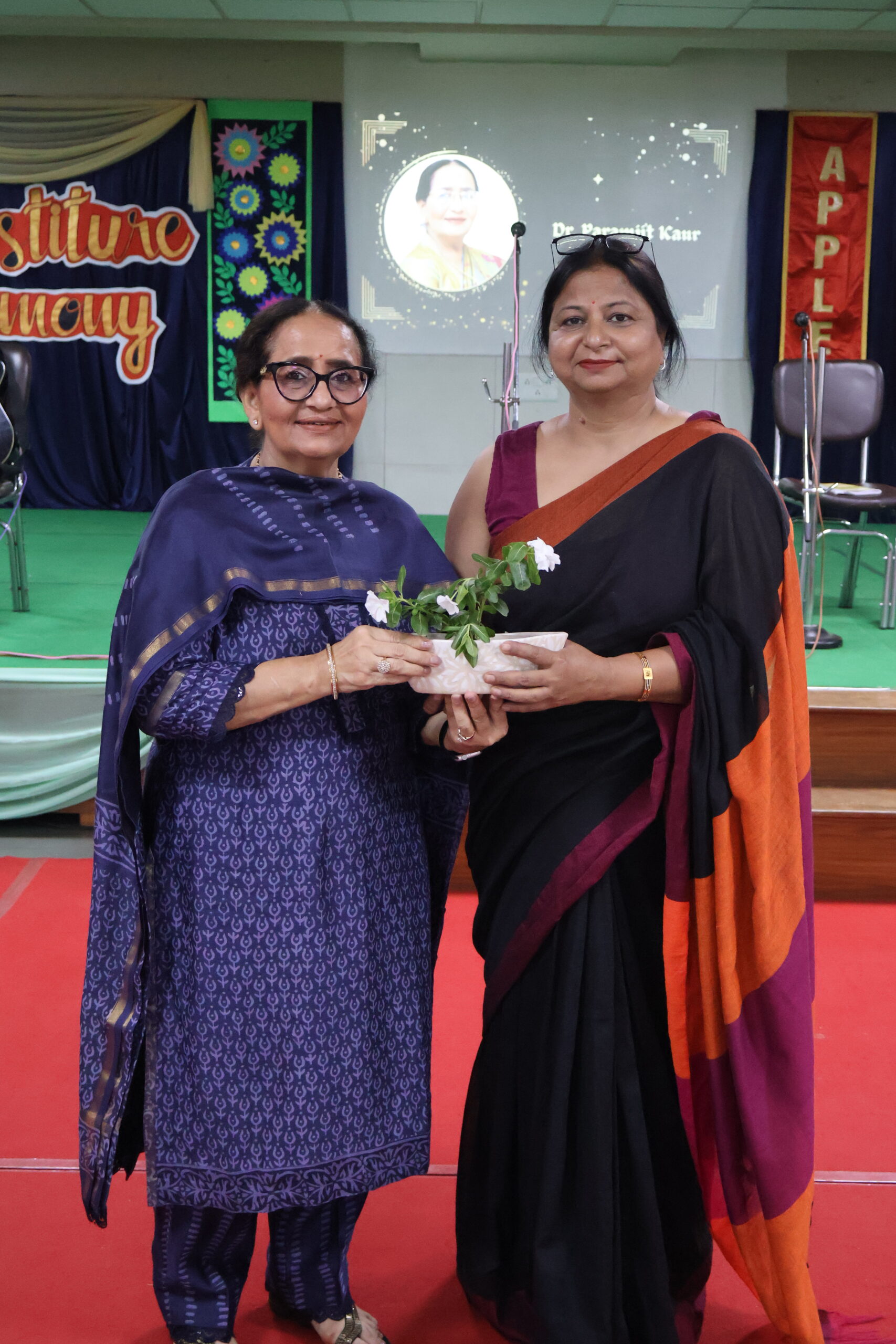
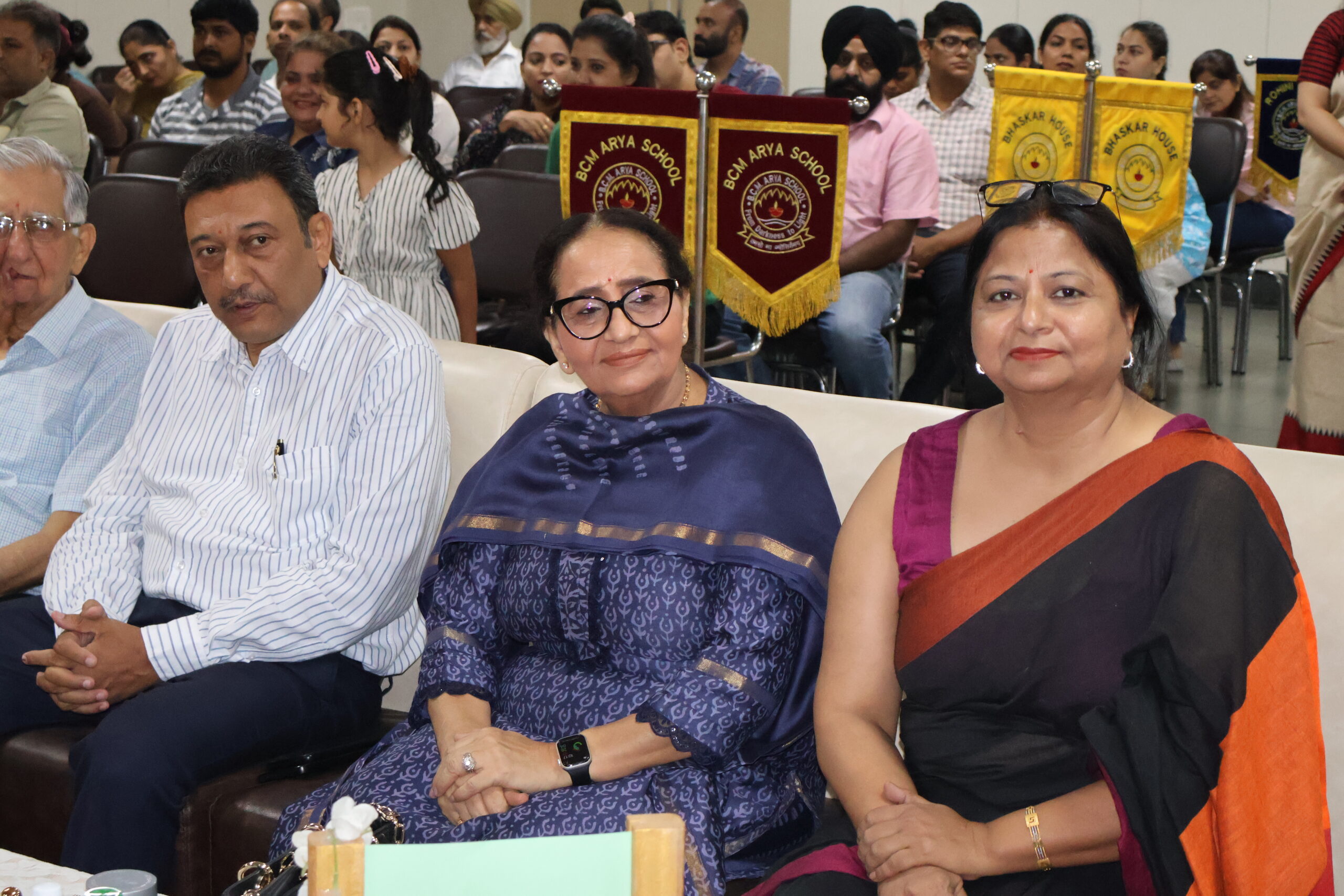
investiture ceremony 25-26
bcmlalton@gmail.com
+91 62845 56494 | +91 76966 56428
Staying Safe This Rainy Season
As we welcome the monsoon season with its refreshing showers and much-needed respite from the summer heat, we must also stay alert to the health risks that often accompany the rains. The rainy season is a time when several infections and diseases spread rapidly due to stagnant water, increased humidity, and fluctuating temperatures.
At BCM Arya School, the well-being of our students and staff is our top priority. Hence, it is essential that we work together to stay informed, take preventive measures, and ensure a healthy learning environment for all.
Common Infections During Rainy Season
1. *Viral Fever & Cold* – Sudden weather changes can lead to flu-like symptoms, cold, and sore throat.
2. *Dengue & Malaria* – Caused by mosquito bites due to water stagnation.
3. *Typhoid & Cholera* – Spread through contaminated water and unhygienic food.
4. *Skin Infections* – Fungal infections are common due to damp clothing and high humidity.
5. *Food Poisoning* – Increased risk due to spoiled or uncovered food.
For Students:
* Carry an umbrella or raincoat daily.
* Keep your feet dry – wear waterproof footwear.
* Wash hands regularly with soap or sanitizer.
* Avoid junk food, especially from roadside vendors.
* Drink only clean, filtered or boiled water.
* Inform the class teacher if you feel unwell.
For Teachers:
* Keep classrooms well-ventilated and dry.
* Encourage students to maintain personal hygiene.
* Watch for symptoms like fever or fatigue among students and report immediately.
* Ensure that drinking water sources in school are clean and safe.
For Parents:
* Dress your child in clean, dry clothes daily.
* Boost immunity with nutritious home-cooked meals (soups, citrus fruits, turmeric milk).
* Avoid sending your child to school if they are sick.
* Keep your surroundings clean to avoid mosquito breeding.
* Use mosquito nets or repellents, especially at night.
School Initiatives
At BCM Arya School, we are taking the following steps to ensure a safe and healthy environment:
* Regular sanitization of classrooms and washrooms.
* Clean drinking water
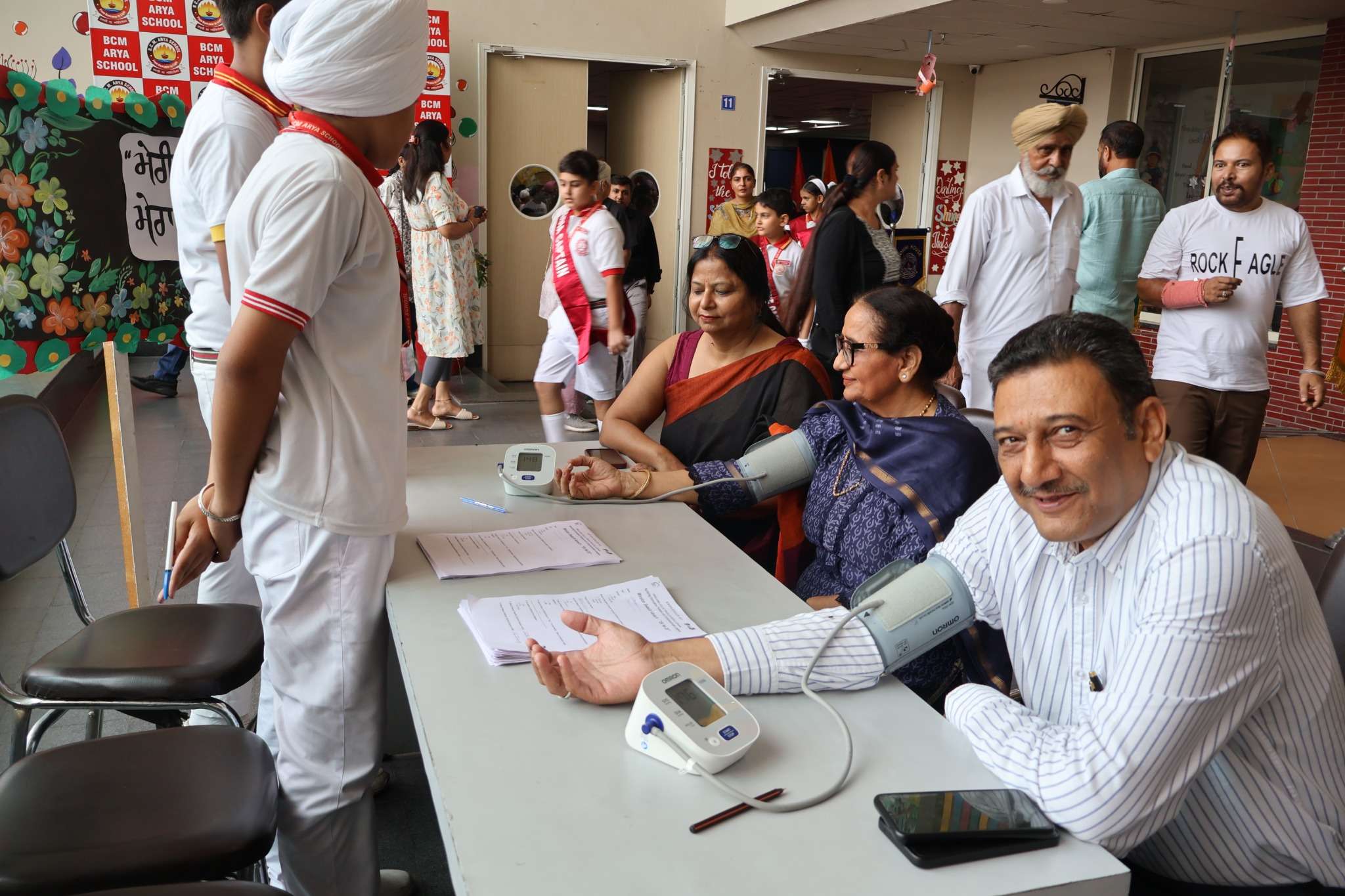
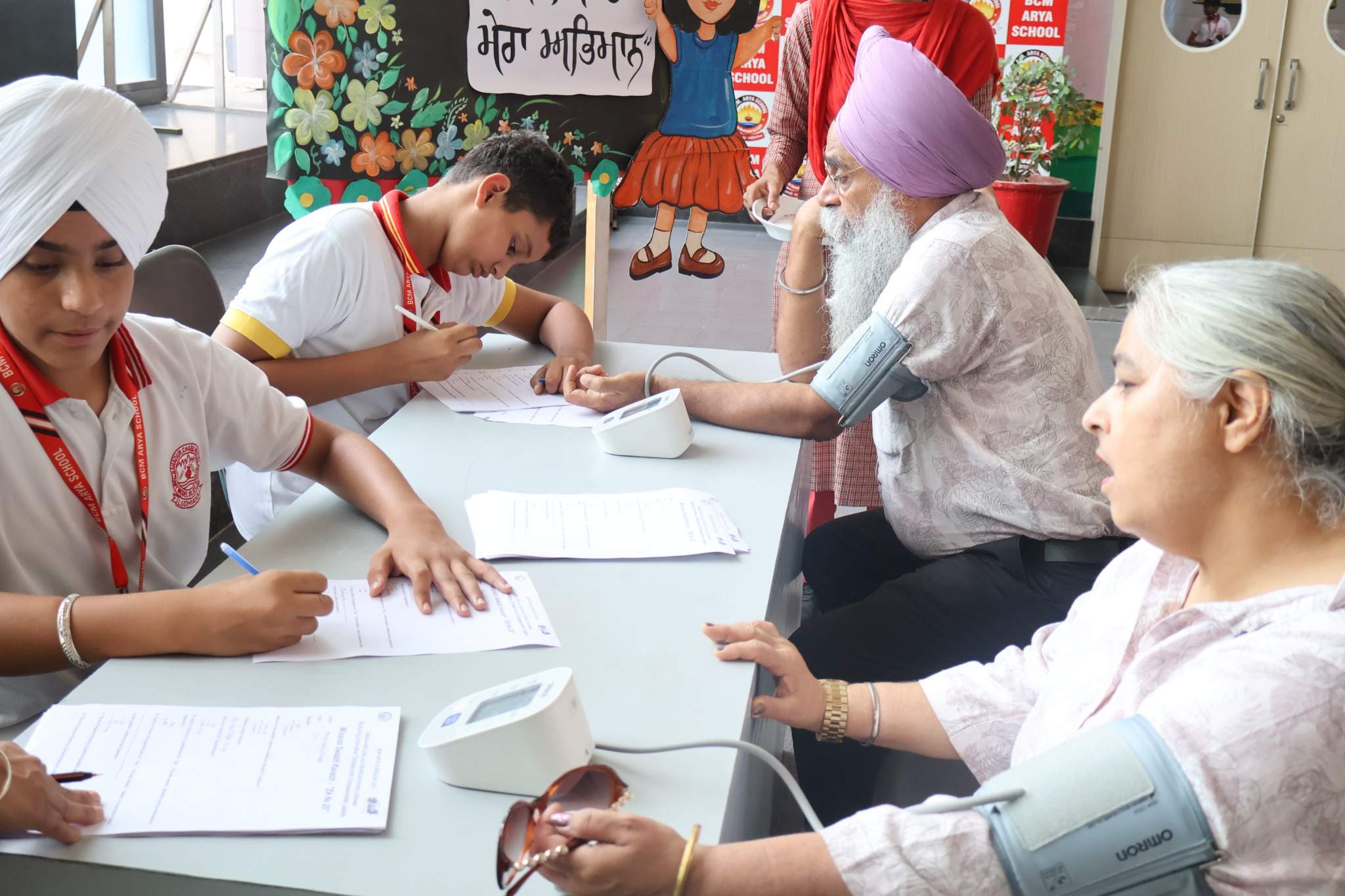
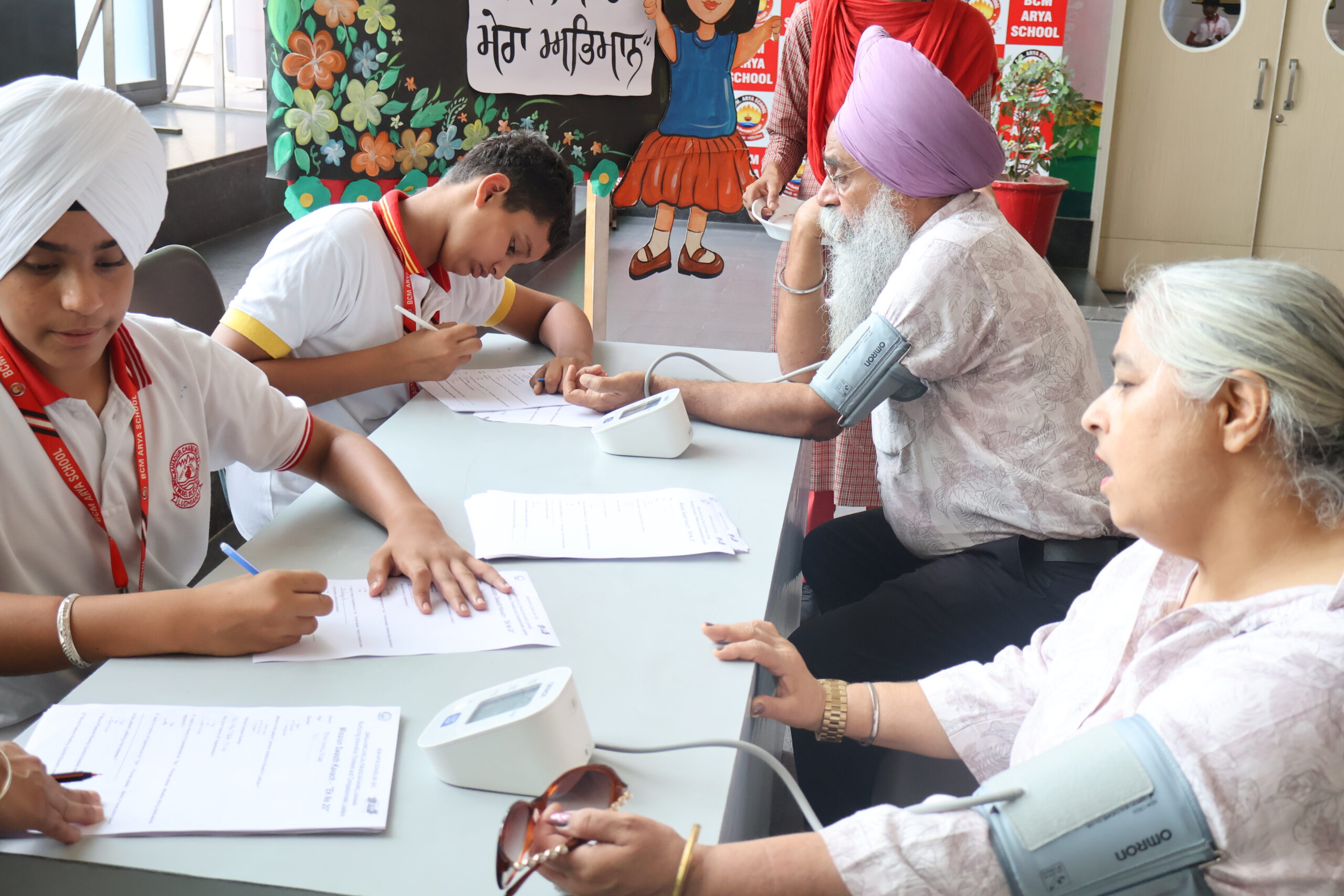
* Medical checkups and health awareness drives.
* No tolerance policy for uncovered food and water stagnation.
Let’s Work Together
The rains bring joy, beauty, and life — but only if we stay cautious. I urge all students, parents, and teachers to be proactive in protecting themselves and those around them. Let’s stay informed, stay safe, and enjoy the monsoon season with good health and high spirits!
Warm regards,
Kritika Seth
Principal, BCM Arya School
Dear All,
We often say, “Our soldiers are fighting for us.”
But do we ever pause to ask—Are we truly worthy of the protection our soldiers give us? This isn’t a question meant to provoke guilt. It’s a question meant to awaken us.
True patriotism doesn’t live in gestures. It lives in our conduct—quietly, daily, truthfully.
Because when we break traffic rules, cheat in exams, bribe our way out of trouble, or remain silent in the face of injustice—what are we doing, really? We are quietly undoing the very values a soldier swears to protect.
Soldiers don’t just wear a uniform. They fight not because they hate what is in front of them, but because they love what is behind them. They carry the weight of a nation on their shoulders.
True patriotism begins in the everyday—in the classroom, at traffic signals, in offices, on social media, and inside our homes.
It begins when we:
Our soldiers protect our borders. But what about the internal borders—of ethics, empathy, and unity? Are we guarding those?
This isn’t a call for grand gestures or dramatic sacrifice. It’s a call for small, conscious acts of patriotism.
Because in the end, the question isn’t whether our soldiers will protect us.
They always will. The real question is—can we become a nation worth protecting?
This blog is especially for those parents who hand over mobile phones to their young children just to keep tem busy. These are parents who do not have time for their children. When the children cry, become restless, these parents think that handing over a mobile phone will help the child settle down.
But latest study has revealed that children up to the age of 6 who frequently use mobile phones, suffer from weak memory as they grow older and are more likely to face several mental disorders.
We request all parents with young children to pay attention to this and avoid making the mistake of handing over mobile phones to their kids just to pacify them — a mistake most parents are unknowingly making.
This study has been published in a book titled Understanding Your Child’s Brain, and it highlights three major findings:
While alcohol may damage the liver, watching videos or playing games on mobile phones harms the brain. These children grow up unable to differentiate between right and wrong. Their concentration levels drop significantly. They struggle to focus in school, later in college, and even in their careers.A recent survey in India revealed that 7 out of 10 parents admitted that their child uses a mobile phone for 4 to 5 hours a day. A study in the US compares giving a phone to a small child to giving an 800cc racing bike to a toddler — dangerous and inappropriate.
So, parents who believe that giving their children a mobile phone will keep them calm are actually pushing their children into long-term mental problems. The study also says that online gaming significantly affects the intellectual development of children under 18. These children begin to normalize violence, and their behavior becomes aggressive.
This is exactly what’s happening with many children in India today. Think about your own child’s behavior — has it become more aggressive in the past few years? Compared to the past, today’s children tend to be more defiant, less obedient to their parents, and lack focus.
Many parents complain that kids today don’t listen and rebel at the smallest provocation. In India today, children are learning to use mobile phones before they learn how to walk. And this addiction only goes away when the device is turned off.
A survey says that children under 6 years old in India have an average screen time of 55 minutes per day — nearly one hour — even though many of them haven’t even started walking yet. This is happening because most Indian parents are unaware of the dangers of mobile phones. They don’t realize what they’re handing over to their children, and by the time the child grows up, the phone may have already ruined their personality.
In earlier times, parents used to dedicate a lot of time to their children — massaging their bodies, caring for their hair, and even gently shaping their features. They spent a great deal of time caring for their child’s physical development. But that has changed.

Nowadays, many parents feel proud when their children use mobile phones. They boast to guests that their toddler knows how to use YouTube, Instagram, and all the features of a smartphone. They think this is a sign of intelligence — that their child is smart because they can use a mobile phone. They think it’s talent when their child dances for the camera or creates videos.
That’s why many young children — even 5 or 6 years old — are now making videos, uploading content on Instagram and YouTube. This leads to another problem: the pressure to gain likes, shares, and followers. These children become restless and obsessed with their online performance.
You can now find countless videos on social media where children use inappropriate language, but instead of being concerned, people laugh and celebrate, thinking the child is “mature” or “talented” for talking like adults.
And it’s not just small children — even older kids are affected. About 41% of India’s population is under the age of 20. Think about that — 41% of India’s population is at risk. These children are being deeply impacted by mobile phone addiction and online gaming.

A 2020 survey found that 65% of children under 20 admitted they were willing to skip meals and sleep just to continue playing online games. Some even stole money from their parents to do so.
There was a time when kids came home from school and played outdoors — games like gilli-danda, hide and seek, kho-kho, and kabaddi. But things changed, and outdoor activities were limited to school hours. Now, children’s only playground is their phone, laptop, or computer.
Previously, parents would spend a lot of time caring for their children. That’s disappearing — replaced by screens.
It is my humble request to all the parents to take this issue as very serious upcoming disese for our generation.
Let’s wor together and find solution of this disease.
“Don’t let a small screen shrink you big dreams, Say No to mobile, say yes to life.”
It’s simple, yet so powerful:
Good thoughts lead to good actions. Good actions become habits. And habits, build our destiny.
We often hear people say, “Life is unfair” or “Maybe I’m just unlucky.” But if we quietly sit with ourselves and reflect, we’ll realize — our life is a mirror of the thoughts we nurture daily.
When we wake up in the morning with hope, with gratitude, with a tiny prayer in our heart — doesn’t the day feel lighter, happier? And on days when we wake up irritated, rushed, and complaining — somehow, the day drags like a burden.
It all begins inside our mind. A thought. A simple, silent thought.


You don’t have to change everything overnight. Just start with one good thought everyday: “I can learn.” “I can heal.” “I can begin again.” “I can be kind.” ”I can make a difference.” Good thoughts are not just thoughts —they are seeds. And you, are the gardener of your own life. Plant a good thought. Water it with action. Let it grow into a habit. And trust that it will eventually bloom into a beautiful destiny.
We find shining and inspiring examples of how powerful thoughts can transform lives.
Dr. A.P.J. Abdul Kalam — the Missile Man of India — was born into a humble family in Rameswaram. As a child, he could have thought, “I am too poor to dream big.” But instead, he chose to think differently. His mind whispered, “Why not me?” That one powerful thought fuelled a lifetime of learning, invention, and service to the nation. Today, we remember him not just for his achievements, but for the goodness and humility he carried throughout his journey.
Mary Kom, the boxing legend, came from a small village in Manipur. She had every reason to doubt herself — limited resources, societal expectations, physical hardships. But she fed her mind with powerful thoughts like “I can fight. I can win.” And she didn’t just win medals — she won respect for women across the country.
Amitabh Bachchan, one of India’s most iconic actors, once faced a career slump so severe that he was almost bankrupt. Instead of surrendering to despair, he chose to believe, “I can rebuild.” That thought pushed him back into television, films, and business — and he came back stronger than ever, becoming a living symbol of resilience and hope.
Destiny is not written in the stars. It is written in the secret spaces of our mind — in the quiet thoughts we choose every single day.
Believe in the magic of your own mind. One good thought can change a day. A habit of good thoughts can change a lifetime.
So, start today: Think good, live better.
Let’s get real for a minute: childhood obesity is a big deal, and it’s something more and more families are dealing with today. If you’re a parent worried about your child’s health—or a student trying to figure out how to feel better in your body—you’re not alone. The good news? Small changes can make a huge difference.
Let’s break it down in simple terms.
1.So, What Is Childhood Obesity?
Childhood obesity means a child is carrying more body fat than is healthy for their age and height. Doctors usually check this using something called BMI (Body Mass Index), but more important than the numbers is how your child feels—physically, mentally, and emotionally.
2.Why Is This Happening?
There’s no single cause, but here are some common ones:
3.Why It Matters
Childhood obesity isn’t just about weight—it’s about health. It can lead to:
4. What Parents Can Do
What Students Can Do
• Choose foods that fuel you—not just ones that taste good in the moment.
• Find movement you enjoy. Whether it’s dancing, biking, sports, or walking your dog, it all counts!
• Speak up. If you feel bad about your body or health, talk to someone you trust.
• Be kind to yourself. Everyone’s body is different. Focus on what your body needs.
Final Thoughts
Childhood obesity isn’t a life sentence. It’s something that can be managed and improved—together, as a family. No shame, no blame—just small, healthy changes that add up over time.
You don’t need to be perfect. Just take the first step.
Warm regards,
Kritika Seth
Principal.
As the sun rises on a brand new academic year, my heart swells with joy and anticipation as I welcome each and every one of you back to the vibrant and nurturing environment of BCM Arya School! The school grounds, which have felt a little quiet in recent weeks, are once again buzzing with energy, laughter, and the promise of new beginnings.
The first day of a new school session is always special. It’s more than just a return to classrooms and routines; it’s a significant milestone that marks the start of a journey filled with learning, growth, and discovery. Think of it as the first page of a brand new book, waiting to be filled with exciting stories, valuable lessons, and cherished memories.
Why is this first day so important?
1.A Fresh Start
This day offers a clean slate. It’s an opportunity to set new goals, embrace new challenges, and approach the year with renewed enthusiasm. Whether you’re stepping into a new grade or joining our BCM Arya family for the first time, this is your chance to shine.
2.Reconnecting and Making New Friends
After the break, it’s wonderful to see familiar faces again – catching up with friends, sharing stories, and strengthening bonds. For our new students, this is the day you’ll begin to build friendships that can last a lifetime. Don’t be shy, reach out, and become a part of our close-knit community.
3.Setting the Tone for Success:
The energy and positivity we bring to this first day can set the tone for the entire year. Let’s start with a mindset of curiosity, respect, and a willingness to learn. This positive attitude will be your constant companion throughout the academic journey.
4. Meeting Your Mentors:
Today you’ll reconnect with your teachers, your guides and mentors who are dedicated to nurturing your talents and helping you reach your full potential. Embrace their guidance and don’t hesitate to ask questions – they are here to support you every step of the way.
5.Embracing New Beginnings
A new session brings new subjects, new concepts, and new opportunities for growth, both inside and outside the classroom. Be open to these experiences, step out of your comfort zone, and discover the amazing things you are capable of.
At BCM Arya School, we are committed to providing a stimulating and supportive environment where every student feels valued, challenged, and inspired. We believe in fostering not just academic excellence, but also character development, critical thinking, and a lifelong love for learning.
As you walk through the school gates today, I encourage you to take a deep breath, smile, and embrace the excitement of this new beginning. Let’s make this academic year one filled with achievements, growth, and unforgettable moments.
Welcome back, everyone! We are thrilled to have you here.
Warm regards,
Kritika Seth
Principal.
Have you ever opened your cupboard only to find it overflowing with things you no longer need or use? Do you hold onto items just because they might be useful “someday”—that day never actually comes. Most of us are guilty of accumulating things.
Please understand that they only add clutter to our spaces and our minds.
Minimalism is not just about owning fewer things; it’s about freeing ourselves from the unnecessary and focusing on what truly matters. It’s about living with just enough—enough to fulfill our needs but not so much that it burdens us.
When we hoard things we don’t need, we unknowingly invite stress into our lives. Clutter in our homes creates clutter in our minds. We spend time organizing, cleaning, and maintaining things that add no real value. And one day, we realize that half of what we own is not even useful. So why not give away what we don’t need while it can still be of use to someone else?
Minimalism is not just about personal well-being; it’s also a responsibility towards our planet. Every extra item we buy requires resources—water, energy, and raw materials. The more we consume, the more we burden the environment. By choosing to own less, we can reduce waste, conserve precious resources, and contribute to a greener and more sustainable world.
Minimalism is not just good for our mental peace and the environment—it’s also great for our wallets. Shopping for trends, buying impulsively, and accumulating unnecessary items all drain our finances. When we adopt minimalism, we learn to spend wisely. This financial discipline leads to a more secure and stress-free life.
Minimalism is not about deprivation; it’s about choosing abundance in a different way—abundance of space, clarity, peace, and joy. It’s about detaching from material possessions and attaching to what truly matters—relationships, experiences, and personal growth.
So, let’s embrace a life of simplicity. Let’s give away what we don’t need. Let’s choose freedom over clutter.
Remember, true wealth lies not in what we own, but in the peace, love, and purpose we create.
Ever noticed how we slap labels on things? “Too young,” “too old,” “past your prime” & so on… I believe that age is just a number someone made up to sell birthday cards..
Let’s talk about those kids who are basically running the world before they hit puberty. That 9-year-old coding prodigy who’s already got a tech start up in his garage; or the 10-year-old artist whose paintings sell for thousands; they didn’t get the memo about “wait until you’re older.” They just took the leap and made it reality.
And then there is also the flip side. We see people hitting retirement, or maybe the moms whose kids finally flew the nest, and suddenly they’re like, “Wait, what about ME?” They’re signing up for college classes, learning a new language, or finally writing that novel they always dreamt of. Remember Colonel Sanders? That man started KFC in his sixties! Proof that your “second act” can be your best act.
See, it’s all about our mindset. We build these imaginary walls, telling ourselves that we are “too late” or “not yet ready.” But what if we just… ignored them?
For years, I was occupied with a highly demanding job and raising kids. I have always been passionate about reading books, but I never got time to pursue my passion. Then when I turned 60, and I resolved to pursue it. And guess what? I started reading. Different genres, new ideas, it’s been amazing. I finally made the time, and it was the best decision ever. And I also began practicing yoga. Initially, I experienced some apprehensions, however, I persisted and now I feel significantly stronger and more composed. It has been a truly transformative experience
The truth is, life isn’t a race against a clock. It’s not about the years on your birth certificate. It’s about that fire in your belly, that little voice saying, “I want to try that.” If you’ve got a dream, a passion, something that makes your heart beat faster, don’t wait. Don’t let anyone tell you that you’re too old or too young. Just go for it. We are never truly ‘too old’ to embrace a new challenge or rediscover a forgotten passion.
Because, the only thing you’ll regret is not trying. So, what are you waiting for? Go live your best life, at whatever age you are. And if anyone gives you a funny look, just tell them, “Age? That’s just a number.”
Dr. Paramjit Kaur
Director
BCM ARYA
Typically replies within minutes
Welcome to BCM ARYA SCHOOL
WhatsApp Us
🟢 Online | Privacy policy
WhatsApp us